

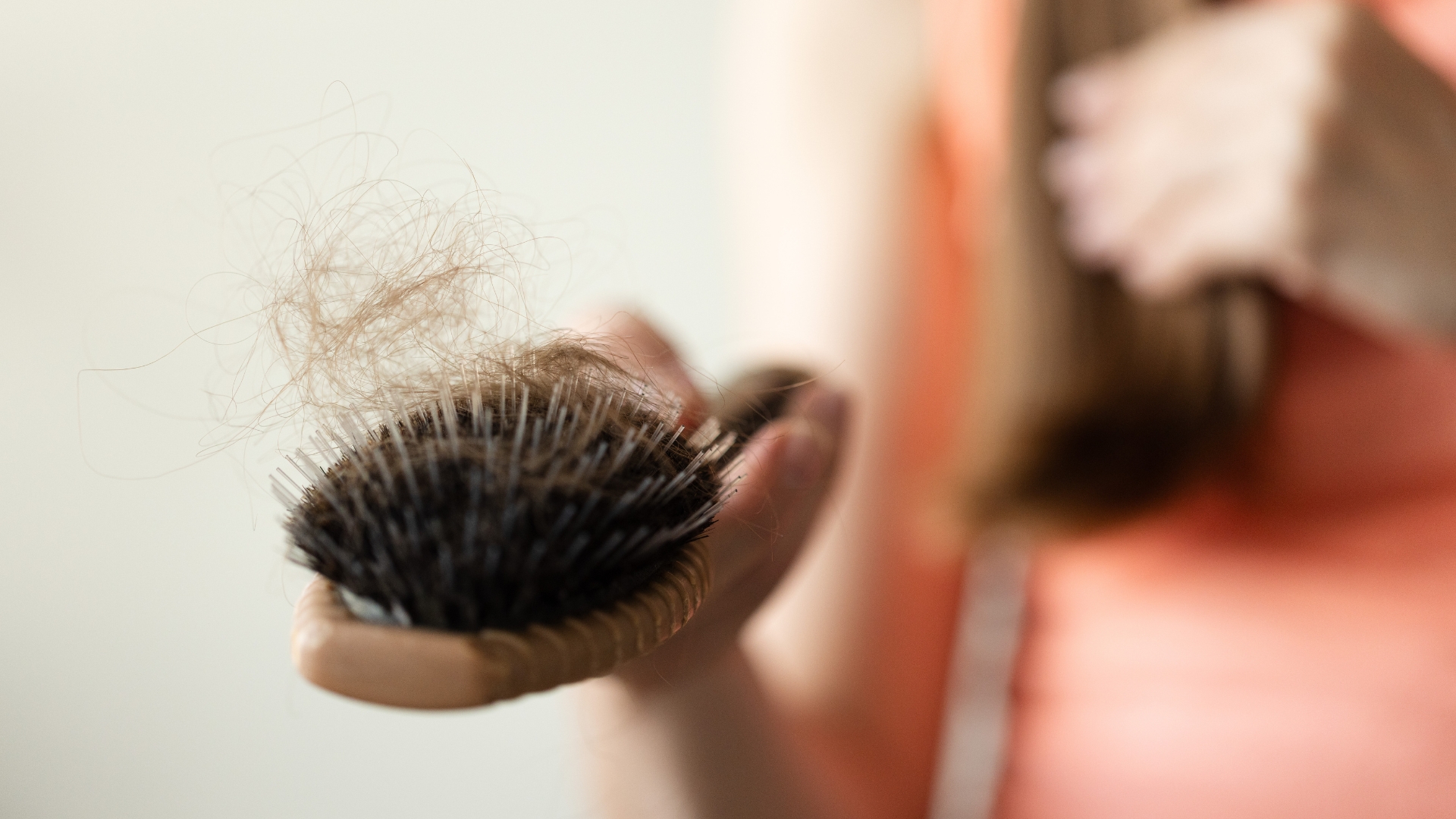
Waking up to a pillow full of hair or seeing the shower drain clogged can feel like a total nightmare. However, not every fallen strand means you’re headed for baldness. Some hair falls out to make room for stronger new growth (physiological), while others are “gone for good” due to the silent attack of DHT.
How do you know if you are experiencing temporary shedding or facing the risk of extensive male/female pattern baldness? Let’s decode the mystery with Aotearoa Vitality!
Physiological Hair Loss: The “Tree and Leaves” Rule
Think of every strand of hair like a leaf on a tree. When the season comes, the leaf must fall so the tree can grow a fresh one.
-
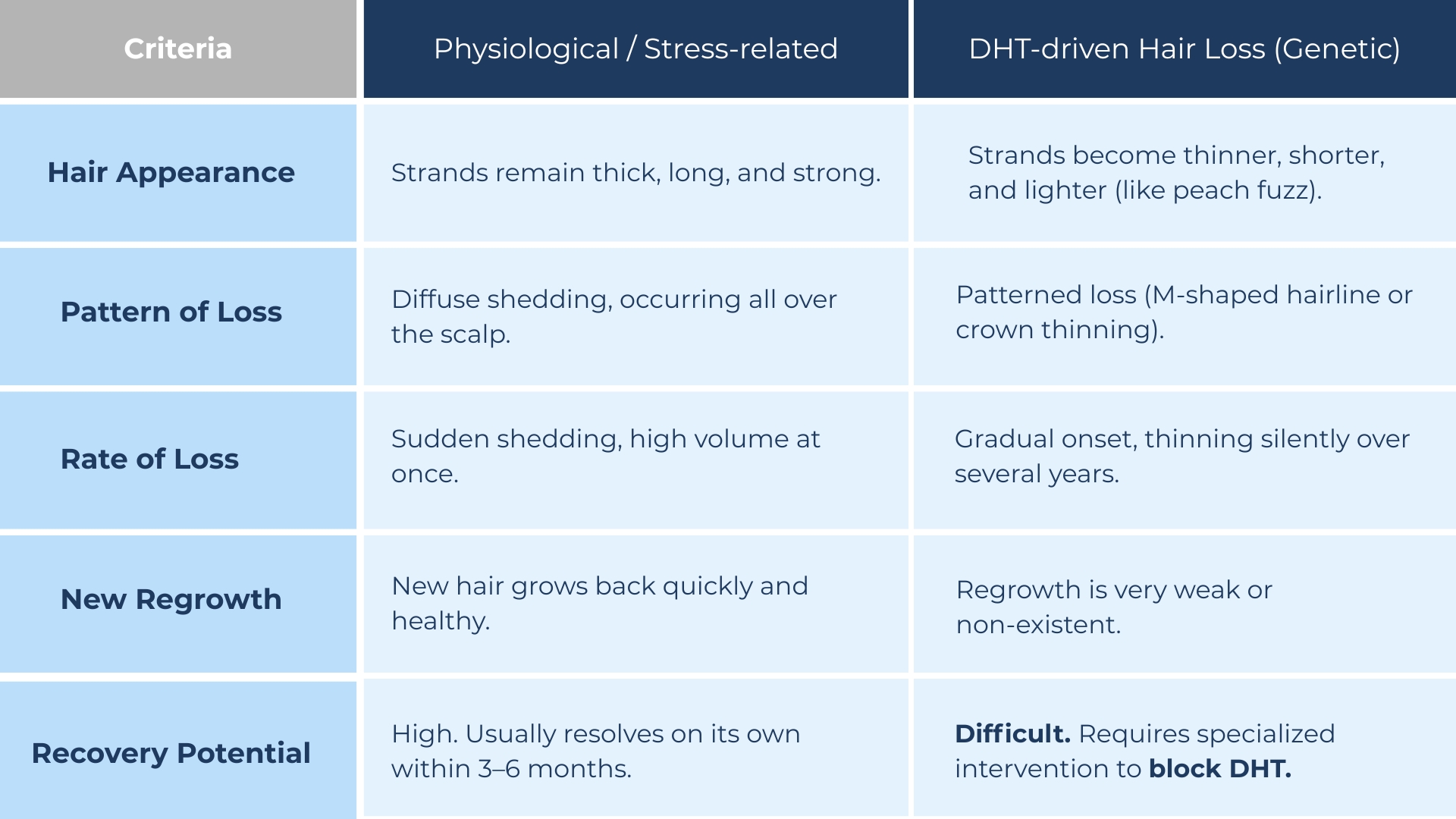
The Mechanism: A typical hair strand lives for 2–6 years. Afterward, it enters a resting phase and eventually falls out.
-
The Signs: You lose about 50–100 strands a day, but you can still see plenty of “baby hairs” sprouting up. Your overall hair density doesn’t visibly thin out over time.
-
The Causes: This is a natural cycle, often triggered by short-term stress, seasonal changes, or temporary nutritional gaps. With proper rest and nutrition, your hair usually bounces back on its own.
DHT Hair Loss: The “Shrinking Pot” Syndrome
This is the real “villain” of the story. DHT (a byproduct of testosterone) doesn’t kill the hair instantly. Instead, it causes the hair follicle—your “flower pot”—to shrink gradually.
-
The Mechanism: DHT attaches to the follicles, choking off their nutrient supply. With every new growth cycle, the hair emerges thinner, weaker, and lighter in color (lanugo hair) until the follicle eventually closes up entirely.
-
The Signs: Noticeable thinning at the temples (M-shape), receding hairline, or a widening part at the crown.
-
The Consequence: If left untreated, the follicles undergo “fibrosis” (permanent scarring). Once this happens, no topical treatment can bring the hair back.
Identifying Your Hair Loss Type
What Should You Do If You Suspect DHT Hair Loss?
If you notice your hair is thinning in specific patterns and the strands are becoming “peach fuzz,” simply switching shampoos won’t help. This is an internal hormonal issue that requires a targeted approach.
-
Support from Within: Look for natural DHT blockers like Saw Palmetto extract or specialized nutrient complexes that help balance hormonal activity at the scalp level.
-
Optimize Gut Health: It might sound surprising, but a healthy gut microbiome helps the body detoxify and balance hormones more effectively. High-quality probiotics can be a secret weapon for hair health.
-
Reduce Follicle Stress: High stress and smoking are two major “triggers” that cause DHT to act more aggressively. Prioritize sleep and gentle scalp massages to boost circulation.
Conclusion
Physiological hair loss is a part of life, but DHT hair loss is a race against time. Understanding which category you fall into will save you a lot of money and frustration.
Are you experiencing “temporary shedding” or “silent thinning”? Message Aotearoa Vitality today for a scalp assessment and a personalized roadmap to keep your hair thick and healthy!